Booked planning sessions every week, from your own house.
We co-create a winning script with you. You just show up for the webinar and do what you do best: present, and help wonderful families.

We co-create a winning script with you. You just show up for the webinar and do what you do best: present, and help wonderful families.
In a seminar you get attention for free. They drove there. They shook your hand. Nobody walks out of a seminar room halfway through. The room does the work for you.
Online you get none of that. They're on the couch with the phone in one hand and the dog on their lap. Every minute of the presentation has to earn the next one. That is a different craft from presenting, and most estate planning webinars are a seminar deck read into a webcam. Of course people drift off. Of course it feels like a waste of time.
We've watched the webinars of some of the best-known seminar attorneys in the country. From the attention side, almost none of them are built right.
The part that keeps a stranger watching for an hour is the part we do.
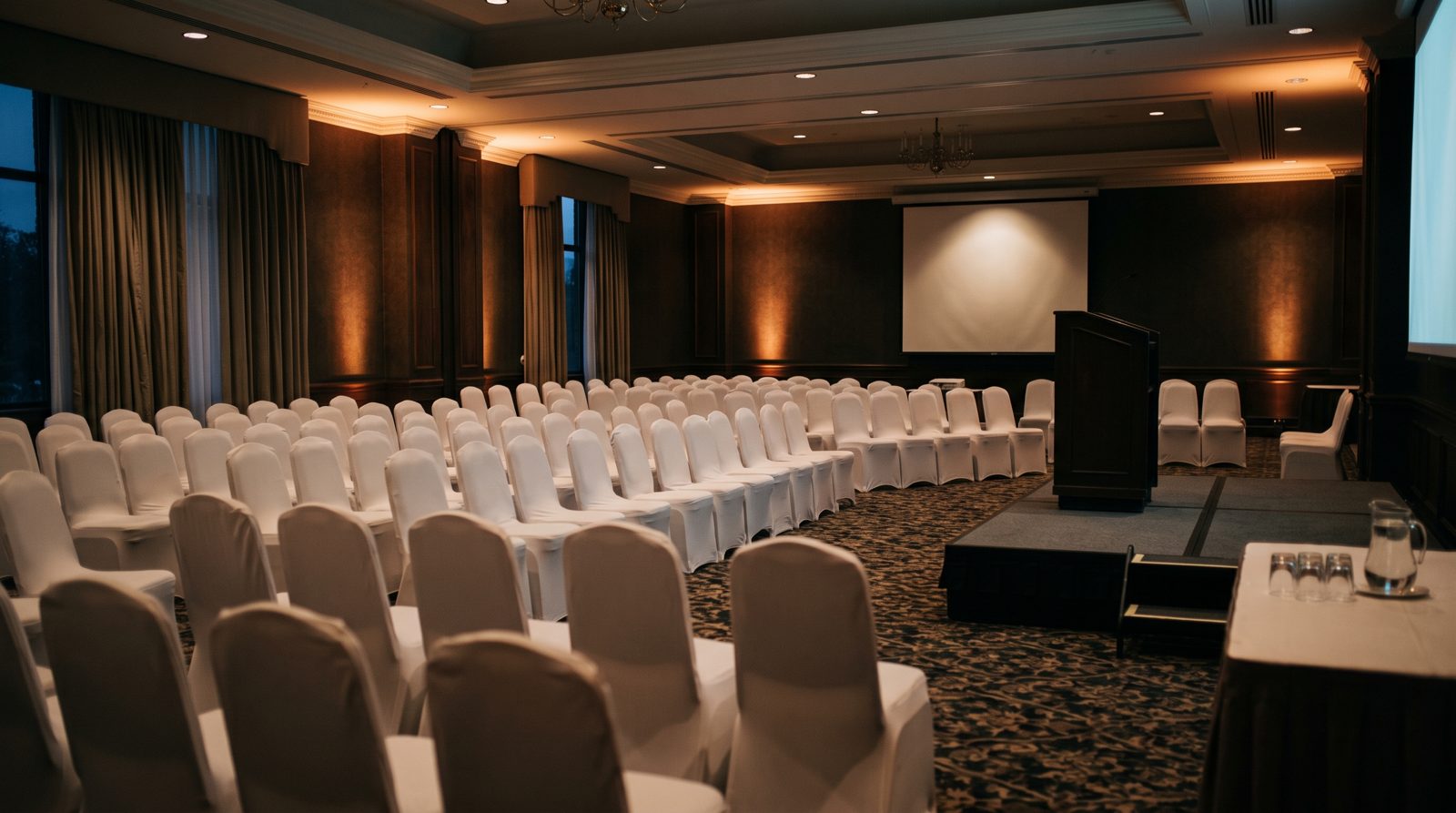
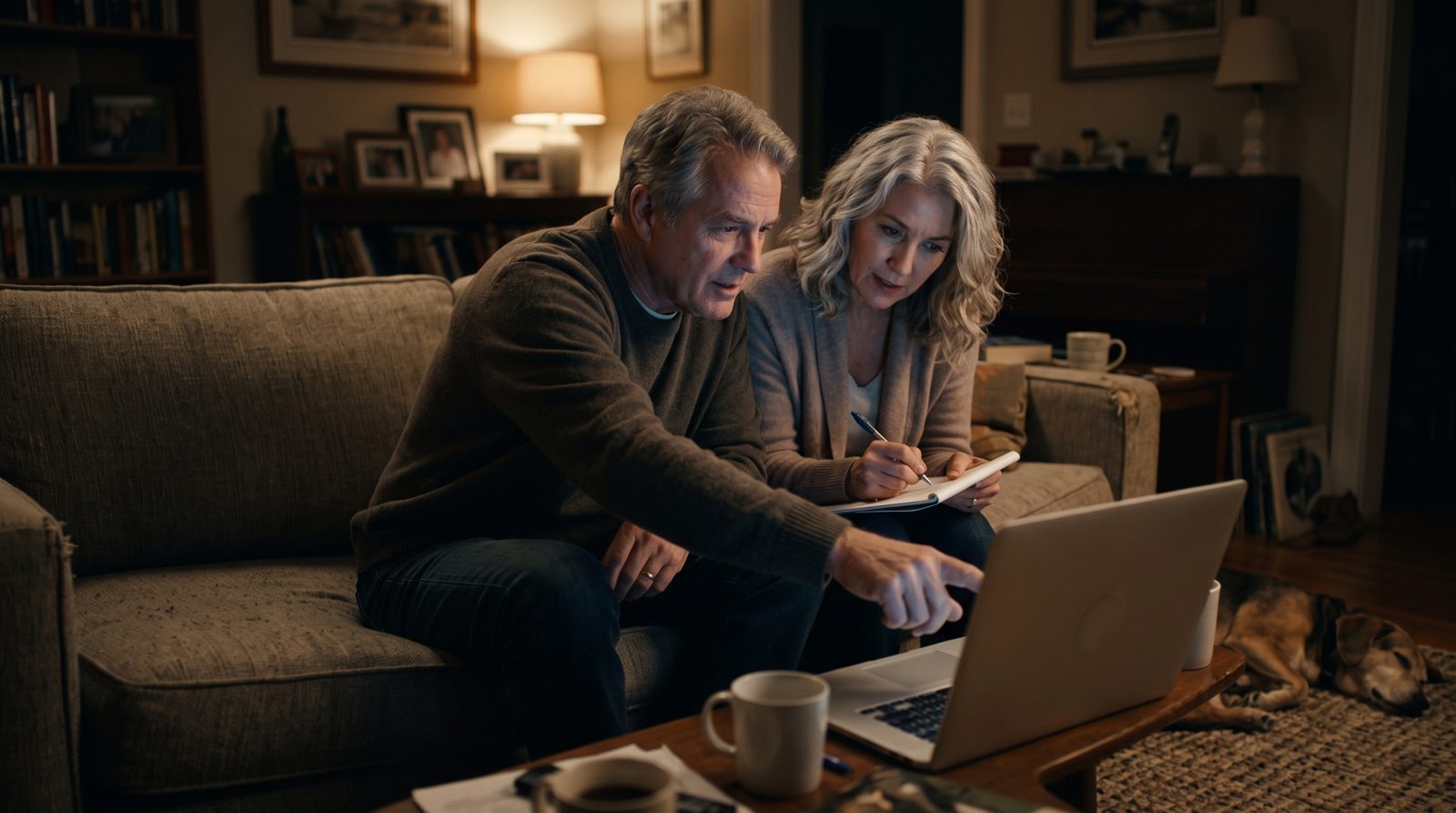
Most webinars lose the room in the first minute. Here is the opener we use instead. Try it on yourself.
"All right, we'll give it a couple of minutes for people to join. Grab a coffee, grab a pen and paper, close the door. We'll be here about an hour, so make sure you're paying attention."
You've told them what to do before you've given them a reason to stay. Nobody likes being told what to do. They're already half looking at their phone.
Three questions. Two rugs pulled, one win. By minute three they're leaning in and the husband is yelling to the kitchen that she needs to come see this. Nobody told them to pay attention. The questions did it, and the one we didn't finish answering is the first open loop. The script carries seventeen of them.
A webinar is six jobs. We do all six, in this order, under your name.
Before any script, we settle what the webinar sells and what a family walks away with. Everything else is built backwards from that.
The first 90 seconds, the open loops, the little yeses, the pitch. Every line has a reason. You go through it with us until it sounds like you.
Ads to a registration page that converts. We run the ad account and write the ads. You see the cost per registrant every week.
Reminder emails that land in the inbox, texts, and a phone call the day before that asks what they'd like covered. The presenter hears the answers.
The webinar ends with a planning session on your calendar. Confirmations and reminders follow, so the people who booked actually turn up.
Registrations, show rate, watch time, bookings. We look at what happened, change what needs changing, and run it again.
Then it runs without you. Once the live version is dialed in, we turn the recording into an automated webinar that plays every week while you're doing something else. That comes after the live one proves itself, never before.
We ran a webinar for an estate planning firm in Florida. It was an odd setup. We were the educator, there was no attorney presenting, and a computer voice read our script.
Nothing about that room kept anyone there. The first three minutes did.
Put a real attorney on it instead, one who has done this for decades and likes to talk, and we crush it.
We interview estate planning attorneys every week. These come up every time.
That's what everyone who put a seminar deck online says afterwards. Your time cost is one hour a month to present. Whether that hour fills the calendar comes down to the script and the show-up, and those are ours to get right.
True, unless the presentation gives them a reason to. A seminar room makes people sit still. A webinar has to earn it every minute. That's the whole job, and it's why the first three minutes get more work than the other fifty-seven.
Keep the handshake. The webinar fills the calendar. The planning session can still happen in your office, across your table, the way you do it now.
We'd want to see it. Most of the ones we've watched were the in-person presentation pointed at a webcam, with the housekeeping opener and no reason to stay. That's not a webinar failing. That's a seminar out of its room.
You already present and close in a room, and you know the room was doing some of the work. You'd like to do it from home. You'll give the live event an hour a month, and you'll let the script be built for a screen, with your input, round after round, until it sounds like you.
You're one of the best in-person presenters you know, and you want the webinar to run the way your seminar runs. The handshake, the dinner, the room full of people who can't leave. Those rules don't translate to a screen. We'll work on it together and your voice carries the whole thing, but if the way it has to be is fixed before we start, this is never going to be a good fit. We'll say so in the first email.
Rob is recording the whole playbook as a course on the Advanced Estate Marketing channel. The actual setup, screen shared, for estate planning marketers who want to go digital.
Two episodes are up. New ones land on the channel as they're recorded.
Tell me what you run now, whether that's seminars, webinars or nothing, and roughly how many planning sessions a month you'd want. I read every one and answer myself.